You may be entitled to make a road traffic accident claim if you were injured because another road user acted negligently. Road traffic accident claims can involve car accidents, passenger injuries, pedestrian accidents, cycling accidents, motorcycle collisions, bus and taxi accidents, hit-and-run incidents, and accidents involving uninsured drivers. Compensation may help cover physical injuries, psychological trauma, lost earnings, medical expenses, rehabilitation, care costs, travel expenses, and other financial losses caused by the accident.
A road traffic accident can be frightening, painful, and disruptive. Whether you were driving, travelling as a passenger, walking, cycling, riding a motorcycle, or using public transport, the consequences can affect far more than the moment of impact.
Some people recover from relatively minor injuries within weeks. Others are left dealing with broken bones, whiplash, back injuries, head trauma, anxiety about travelling, time away from work, or long-term treatment. Financial pressure can also build quickly if you are unable to work, need help at home, or have to pay for travel, medication, repairs, or rehabilitation.
At Legal Expert, we understand how stressful the aftermath of a road accident can be. Our experienced solicitors understand how road traffic accident claims are investigated and can help gather evidence, deal with insurers, value your claim, and support you throughout the process. We offer a free consultation where you can discuss what happened, understand your rights, and explore your legal options without obligation.
To speak with us today and get free advice, please reach out to us by tapping below.

 4.8 (466 reviews)
We're No Win No Fee Solicitors Trusted by thousands to win compensation.
To learn more about road traffic accident claims, when compensation may be possible, and how the claims process works, please keep scrolling.
What Are Road Traffic Accident Claims?
Road traffic accident claims are personal injury claims made after someone is injured in a road accident caused by another road user’s negligence.
A road traffic accident can involve a collision between a vehicle and another vehicle, pedestrian, cyclist, motorcyclist, object, or animal. Claims can be made by many different types of road user, including:
- Drivers
- Passengers
- Pedestrians
- Cyclists
- Motorcyclists
- Bus, coach, taxi, and public transport passengers
- Horse riders
The purpose of a road traffic accident claim is to compensate an injured person for the harm caused by the accident. This can include physical pain, psychological trauma, lost income, medical costs, and the wider effect on day-to-day life.
Can I Make A Road Traffic Accident Claim?
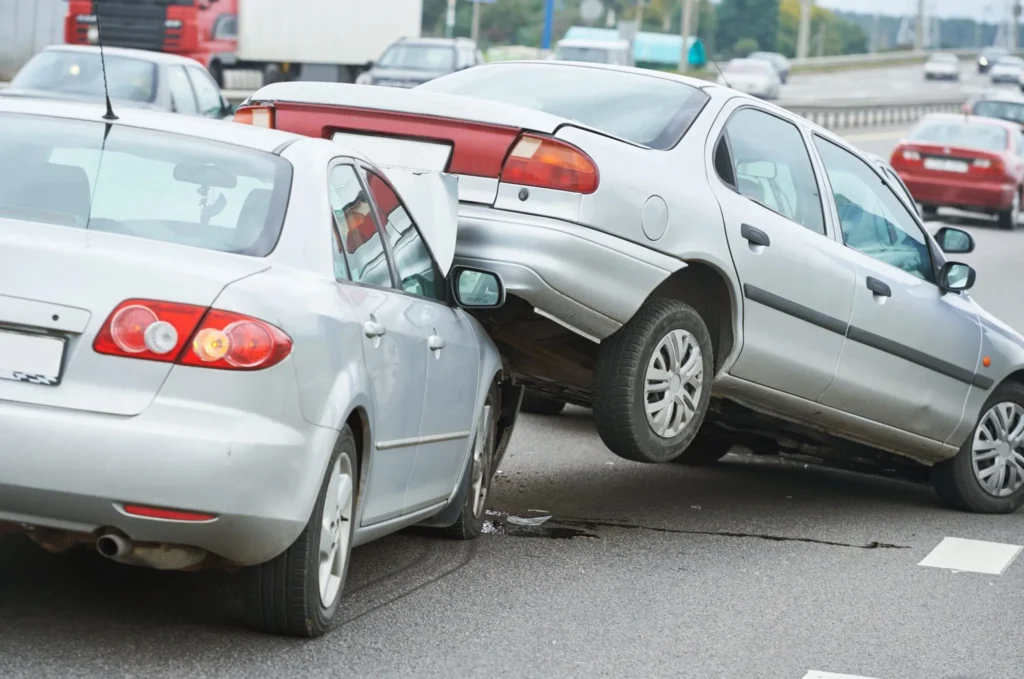
You may be able to make a road traffic accident claim if you were injured because another road user breached their duty of care.
All road users owe each other a duty to take reasonable care. This includes following road traffic rules, driving or riding safely, paying attention, obeying traffic signals, and avoiding behaviour that places others at unnecessary risk.
Rules and duties relevant to road users can be found in the Highway Code and the Road Traffic Act 1988.
To bring a successful claim, it will usually need to be shown that:
- Another road user owed you a duty of care
- They breached that duty through negligence
- You were injured as a result of that breach
Examples of negligent road use may include:
- Speeding
- Driving through a red light
- Using a mobile phone while driving
- Failing to give way
- Driving too close to another vehicle
- Unsafe overtaking
- Failing to check mirrors before opening a car door
- Driving under the influence of alcohol or drugs
- Pulling out of a junction without checking properly
Not every road accident leads to compensation. However, if another party caused or contributed to the accident, you may have grounds to claim. If you are unsure, Legal Expert can review your circumstances in a free consultation and explain your options clearly.
Authorised, Regulated and Trusted By Thousands:
Meet Our Legal Experts
Patrick Mallon
Head Of Accidents at Work and Senior Solicitor
- Solicitor of England & Wales
- Regulated by the SRA
- 20+ years experience
Specialist In
Road traffic accidents
Workplace injury
Serious injury
"Patrick has helped countless clients get compensation for serious injuries, helping them get their lives back on track."
View Full Profile
Antony Jennings
Head Of Personal Injury Claims
- Fellow of CILEX
- 20+ years experience
- Civil Litigation Expert
Specialist In
Road traffic accidents
Workplace injury
Serious injury
"Antony is a Fellow of the CILEX with over 20 years’ experience in personal injury and civil litigation."
View Full Profile
Clare Morris
Head Of Serious Injury Claims
- Chartered Legal Executive
- 20+ years experience
- Complex Claim Specialist
Specialist In
Road traffic accidents
Workplace injury
Serious injury
"Since qualifying in 2005, Clare has acted on behalf of clients in complex claims involving catastrophic injuries."
View Full Profile
What Types Of Road Traffic Accident Claims Can We Help With?
Road traffic accident claims cover a wide range of situations. The type of claim you make will depend on how the accident happened, who was involved, and who may be responsible. Below, you can find quick links to our dedicated service pages, and keep scrolling to learn more about each one.
Car Accident Claims
Car accident claims can arise after rear-end collisions, junction accidents, roundabout collisions, lane-change accidents and crashes caused by speeding or distracted driving.
Learn More
Passenger Accident Claims
Passengers are often considered innocent parties in road traffic accident claims because they usually have no control over how the vehicle is driven.
Learn More
Pedestrian Accident Claims
Pedestrian accident claims can arise where someone is hit by a car, van, motorcycle, bus, or other vehicle.
Learn More
Cycling Accident Claims
Cycling accident claims may arise where a cyclist is hit by a vehicle, injured by unsafe overtaking, or involved in a collision at a junction.
Learn More
Motorcycle Accident Claims
Motorbike accident claims can involve serious injuries because riders are more exposed than drivers and passengers in cars.
Learn More
Bus and Coach Accident Claims
Public transport accident claims can involve buses, coaches, and minibuses.
Learn More
Taxi Accident Claims
Taxi accident claims can involve passengers, drivers, pedestrians, or other road users injured in a collision involving a taxi.
Learn More
Hit-And-Run And Uninsured Driver Claims
You may still be able to claim if the driver who caused the accident was uninsured or could not be traced after a hit-and-run incident.
Learn More
Car Accident Claims
Car accident claims can arise after rear-end collisions, junction accidents, roundabout collisions, lane-change accidents, merging accidents, and crashes caused by speeding or distracted driving.
For example, if another driver rear shunts your vehicle because they were travelling too quickly or failed to stop in time, you may be able to claim for the injuries and losses caused.
Car accidents can also lead to serious injuries, especially in incidents involving larger vehicles, like lorries.
You may also find our guide to merging traffic accident claims useful if your accident happened while vehicles were changing lanes or joining traffic.
Passenger Accident Claims
Passengers are often considered innocent parties in road traffic accident claims because they usually have no control over how the vehicle is driven.
You may be able to claim if you were injured as a passenger in:
- A car
- A taxi
- A bus or coach
- A work vehicle
- A friend or family member’s vehicle
In many cases, compensation is paid by the at-fault driver’s insurer, not by the driver personally. This can be reassuring where the driver at fault was someone you know.
Pedestrian Accident Claims
Pedestrian accident claims can arise where someone is hit by a car, van, motorcycle, bus, or other vehicle.
Pedestrians are especially vulnerable because they have little protection from impact. Accidents can happen at crossings, junctions, pavements, car parks, school areas, and residential roads.
For example, if you were using a zebra crossing and a distracted driver failed to stop, you may be able to claim for injuries such as fractures, soft tissue injuries, brain injury, paralysis, or multiple serious injuries.
Cycling Accident Claims
Cycling accident claims may arise where a cyclist is hit by a vehicle, knocked off by a car door, injured by unsafe overtaking, or involved in a collision at a junction.
For example, if a person in a parked vehicle opens their door without checking whether it is safe, and you are hit by the vehicle door, you may be able to claim for injuries such as a concussion, fractures, cuts, or soft tissue injuries.
We can also advise on claims involving electric bikes, e-scooters, and shared transport, including injuries sustained using services such as a Lime bike.
Motorcycle Accident Claims
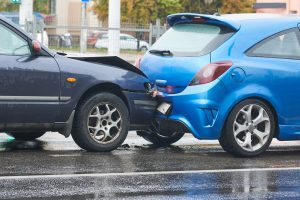
Motorbike accident claims can involve serious injuries because riders are more exposed than drivers and passengers in cars.
Motorcycle accidents may happen because a driver failed to check properly, pulled out at a junction, changed lanes without looking, opened a vehicle door, or misjudged the rider’s speed or position.
For example, if a car pulls out in front of you because the driver failed to check for oncoming traffic, and you suffer a fractured leg or arm after colliding with the vehicle, you may be able to claim compensation.
Bus, Coach And Taxi Accident Claims
Public transport accident claims can involve buses, coaches, taxis, private hire vehicles, and minibuses.
You may be able to claim if you were injured because of:
- Sudden braking
- Unsafe driving
- Collisions with other vehicles
- Poor passenger safety
- Falls while boarding or leaving the vehicle
For example, if you were on a bus and the driver went through a red light, causing a T-bone collision, you may be able to claim if you were thrown from your seat and suffered injuries such as a fractured forearm.
You may also be able to claim after an accident involving a taxi, including where a taxi driver was speeding, distracted, or failed to drive safely.
Hit-And-Run And Uninsured Driver Claims
You may still be able to claim if the driver who caused the accident was uninsured or could not be traced after a hit-and-run incident.
These claims may be handled through the Motor Insurers’ Bureau, which exists to help compensate victims of negligent uninsured or untraced drivers.
You can read more in our guide to making a road traffic accident claim against an uninsured driver.
Common Causes Of Road Traffic Accidents
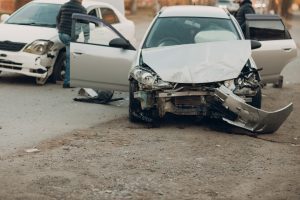
Road traffic accidents can happen for many reasons. In claims, the key question is usually whether another road user failed to take reasonable care and caused the collision.
Speeding And Dangerous Driving
Speeding reduces the time drivers have to react and can make injuries far more serious. Dangerous driving may include aggressive overtaking, racing, ignoring road signs, or driving in a way that creates a clear risk to others.
Distracted Driving
Distracted driving can include using a phone, adjusting in-car systems, eating, looking away from the road, or failing to pay proper attention. Even a short lapse in concentration can lead to serious consequences.
Failing To Give Way
Many road accidents happen at junctions, roundabouts, crossings, and side roads because a driver fails to give way. These accidents can involve pedestrians, cyclists, motorcyclists, and other drivers.
Poor Lane Discipline
Poor lane discipline can cause accidents when drivers drift between lanes, cut across roundabouts, merge unsafely, or change lanes without checking mirrors and blind spots.
Drink Or Drug Driving
Driving under the influence of alcohol or drugs can severely affect reaction times, judgement, coordination, and awareness. If a drunk or drug-impaired driver caused your accident, this may support a compensation claim.
Unsafe Overtaking
Unsafe overtaking can cause head-on collisions, side impacts, and accidents involving vulnerable road users such as cyclists, horse riders, and motorcyclists.
Poor Road Conditions
In some cases, road conditions may contribute to an accident. This can include potholes, missing signs, poor lighting, damaged road surfaces, or hazards that were not properly dealt with. Liability in these cases can be more complex, so evidence is especially important.
Common Injuries In Road Traffic Accident Claims
Road traffic accident claims can involve a wide range of injuries, from relatively minor symptoms to life-changing harm. The type and severity of injury often depend on the speed, angle of impact, vehicle type, use of safety equipment, and vulnerability of the injured person.
Whiplash And Soft Tissue Injuries
Whiplash injuries are common after road traffic accidents, particularly rear-end collisions. They can cause neck pain, stiffness, headaches, shoulder pain, dizziness, and reduced movement.
Soft tissue injuries may affect the back, shoulders, arms, legs, or torso. Although some heal within weeks, others can cause ongoing pain and disruption.
Broken Bones And Fractures
Fractures can affect the arms, legs, ribs, wrists, ankles, face, or pelvis. Some broken bones require surgery, metalwork, physiotherapy, and extended time away from work.
Head And Brain Injuries
Head injuries can range from concussion to more serious traumatic brain injuries. Symptoms may include headaches, dizziness, confusion, memory issues, mood changes, or reduced concentration. Serious head injuries may require long-term rehabilitation.
Back And Spinal Injuries
Back and spinal injuries can be particularly serious. They may involve muscle damage, disc injuries, nerve symptoms, fractures, or spinal cord damage.
Seatbelt Injuries
Seatbelts save lives, but the force of a collision can still cause bruising, chest injuries, abdominal injuries, shoulder injuries, or soft tissue damage. These injuries may form part of a road traffic accident claim where the accident was caused by another party.
Psychological Trauma After A Road Accident
Psychological injuries can be just as disruptive as physical injuries. Some people experience anxiety, flashbacks, nightmares, panic while travelling, low mood, or symptoms of post-traumatic stress disorder after a serious collision.
If psychological trauma is supported by medical evidence, it may form part of your road accident compensation claim.
Serious And Life-Changing Injuries
Some road traffic accidents cause catastrophic injuries, including amputations, paralysis, severe brain injuries, spinal cord damage, serious burns, or fatal injuries. These claims often require detailed medical evidence, future care assessments, and careful calculation of long-term losses.
What Should You Do After A Road Traffic Accident?
The steps you take after a road accident can protect your health and help preserve evidence for a claim.
After a road traffic accident, you should consider the following steps:
- Stop at the scene and check whether anyone is injured
- Call emergency services if anyone needs urgent help
- Exchange names, addresses, registration numbers, and insurance details
- Report the accident to the police where required
- Seek medical attention, even if symptoms seem minor at first
- Take photographs of vehicles, injuries, road layout, weather conditions, and damage
- Gather witness contact details
- Preserve dashcam footage if available
- Tell your insurer about the accident
- Keep receipts, payslips, invoices, and medical appointment records
If you are not sure whether you have enough evidence to claim, Legal Expert can review your circumstances and explain what may still be obtainable.
What Evidence Helps Support Road Traffic Accident Claims?
Evidence is crucial in road traffic accident claims because it helps show who caused the accident, what injuries were suffered, and how the accident has affected your life.
Useful evidence may include:
- Witness contact details
- CCTV footage
- Dashcam footage
- Police incident reports
- Photographs of vehicle damage
- Photographs of the accident scene
- Photographs of visible injuries
- Medical records and scan results
- A diary of symptoms, treatment, and recovery
- Insurance details and vehicle registration information
- Receipts, invoices, payslips, and bank statements showing losses
It can feel daunting to gather evidence while you are recovering from an accident. This is one reason many people choose to work with a solicitor. A solicitor can help request documents, contact witnesses, obtain medical evidence, and build a clearer picture of what happened.
How Is Fault Decided In Road Traffic Accident Claims?
Fault, also known as liability, is decided by looking at the evidence and assessing whether a road user failed to meet the required standard of care.
Insurers, solicitors, and sometimes the courts may consider:
- The Highway Code
- Police reports
- Dashcam or CCTV footage
- Witness statements
- Vehicle damage patterns
- Road markings and signage
- Expert accident reconstruction evidence in serious or disputed cases
What If Liability Is Disputed?
A claim may still proceed if the other party denies responsibility. However, disputed liability usually means evidence becomes more important.
For example, the defendant may argue that you were speeding, failed to pay attention, or contributed to the accident. Your solicitor can help respond to these arguments using evidence such as dashcam footage, witness statements, photographs, police evidence, and medical reports.
What If You Were Partly At Fault?
You may still be able to claim compensation if you were partly responsible for the accident or if your actions contributed to your injuries. This is known as contributory negligence.
For example, you may have been waiting at red lights without wearing a seatbelt when another driver hit the back of your vehicle. The other driver may still be responsible for causing the accident, but if not wearing a seatbelt made your injuries worse, your compensation may be reduced.
The reduction depends on the circumstances and the extent to which your own actions contributed to your injuries.
How Much Road Accident Compensation Could You Receive?
The amount of road accident compensation you could receive depends on the severity of your injuries, your recovery, your financial losses, and the wider impact on your life.
If your claim succeeds, compensation may be made up of two parts: general damages and special damages.
General damages compensate for the physical and psychological effects of the accident. This can include pain, suffering, loss of independence, and loss of amenity, which means the reduced ability to enjoy normal activities.
Legal professionals may use medical evidence and the Judicial College Guidelines when valuing general damages.
The compensation calculator below includes guideline figures from the Judicial College Guidelines and can help give you a general idea of what may be awarded. For a more personal estimate based on your specific injury, recovery, and losses, please get in touch with our team.
Important notes
- Figures are based on the 18th edition of the Judicial College Guidelines, published on 9 April 2026.
- Compensation payouts could be higher as these figures only relate to physical injuries.
- These estimates do not include financial losses like loss of earnings, care costs, travel expenses or medical treatment.
What Can Road Traffic Accident Compensation Cover?
Special damages compensate for financial losses caused by the accident and injuries. These may include:
- Loss of earnings
- Future loss of earnings
- Medical expenses
- Prescription costs
- Rehabilitation and physiotherapy
- Travel to medical appointments
- Domestic or professional care costs
- Childcare costs
- Home or vehicle adaptations
- Psychological therapy
- Other accident-related expenses
Special damages must be evidenced. You should keep receipts, invoices, bank statements, payslips, care records, and any documents showing the financial impact of the accident.
If you are unsure which losses may be included in your claim, our advisors can talk this through with you for free.
4.8 (466 reviews)
We're No Win No Fee Solicitors Trusted by thousands to win compensation.
Do The Whiplash Reforms Affect Road Traffic Accident Claims?
The Whiplash Reform Programme changed how certain low-value road traffic accident claims in England and Wales are made.
The reforms may apply if:
- You were injured as a driver or passenger in a vehicle
- You were aged 18 or over when the accident happened
- The accident happened in England or Wales
- Your injuries fall within the relevant low-value road traffic accident process
Where the rules apply, whiplash injuries are valued using the tariffs set out in the Whiplash Injury Regulations 2021. Some claims may need to be made through the Official Injury Claim process.
If you suffered additional injuries that are not covered by the whiplash tariff, those injuries may be valued separately. The overall process can depend on the value and type of injuries involved.
Whiplash reform rules can be confusing, especially where there are multiple injuries. If you are unsure whether the reforms apply to your road traffic accident claim, Legal Expert can advise you.
Can You Claim If The Other Driver Was Uninsured Or Untraced?
Yes, you may still be able to claim if the driver who caused the accident was uninsured or cannot be traced after a hit-and-run collision.
These claims may be made through the Motor Insurers’ Bureau. The MIB exists to compensate eligible victims of negligent uninsured and untraced drivers.
After a hit-and-run or uninsured driver accident, it is important to:
- Report the accident to the police
- Seek medical attention
- Record the time, location, and circumstances
- Gather witness details
- Preserve dashcam or CCTV evidence where possible
- Notify your insurer
- Seek legal advice promptly
MIB claims can involve different procedures and deadlines, so it is sensible to get advice as soon as possible.
How Long Do You Have To Make A Road Traffic Accident Claim?
In most personal injury road traffic accident claims, you generally have three years from the date of the accident to begin legal proceedings.
You can read more about the car accident claim time limit in our dedicated guide.
Exceptions may apply in some circumstances. For example:
- If the injured person is under 18, the time limit usually does not begin until their 18th birthday
- If the injured person lacks mental capacity, the time limit may be suspended unless capacity is regained
In either case, a litigation friend may be able to start a claim on the injured person’s behalf before the limitation period begins or resumes.
Some claims, including MIB claims or claims involving accidents abroad, may involve different rules. Because deadlines can be strict, it is best to seek advice early.
How Long Do Road Traffic Accident Claims Take?
The time it takes to settle a road traffic accident claim depends on the facts of the case.
Factors that can affect the timeline include:
- Whether the other party admits liability
- The seriousness of the injuries
- Whether medical evidence is complete
- Whether the claim involves future losses
- Whether the Whiplash Reform Programme applies
- Whether the other driver was uninsured or untraced
- Whether court proceedings are required
Some straightforward claims settle more quickly, particularly where liability is admitted and injuries have resolved. More serious or disputed claims may take longer because it is important to understand the full medical prognosis before compensation is finalised.
No Win No Fee Road Traffic Accident Claims
If you are eligible to claim, one of our solicitors may be able to handle your road traffic accident claim on a No Win No Fee basis.
Our solicitors may work under a Conditional Fee Agreement. This generally means you do not pay solicitor service fees:
- At the beginning of the claim
- While the claim is ongoing
- If the claim is unsuccessful
If your claim succeeds, your solicitor will deduct a legally capped success fee from your compensation.
You can also read more about No Win No Fee agreements in our legal glossary.
How Legal Expert Can Help With Road Traffic Accident Claims
At Legal Expert, we understand that recovering from a road accident can feel overwhelming. You may be dealing with pain, insurance correspondence, vehicle repairs, medical treatment, time away from work, or anxiety about travelling again.
If you are eligible to claim, our solicitors can help by:
- Gathering evidence
- Obtaining medical reports
- Corresponding with the defendant or insurer
- Explaining legal terms in plain English
- Ensuring time limits are monitored
- Valuing your compensation properly
- Negotiating a fair settlement
- Keeping you updated throughout the claim
In our experience, many people feel unsure about whether they have a claim, especially where fault is disputed or injuries seem minor at first. A free consultation can help you understand where you stand without any obligation to continue.
To speak with us today and get free advice, please reach out to us by tapping below.
Frequently Asked Questions
Below, you can find answers to some common questions about road traffic accident claims.
Can I make a road traffic accident claim?
Yes, you may be able to make a road traffic accident claim if another road user’s negligence caused an accident and you were injured as a result.
What evidence do I need for a road accident claim?
Useful evidence can include dashcam footage, CCTV, witness details, photographs, police reports, medical records, insurance details, and proof of financial losses.
Can passengers claim after a road traffic accident?
Yes, passengers may be able to claim if they were injured in a road accident. Compensation is usually paid by the at-fault party’s insurer, not necessarily by the driver personally.
Can I claim if the other driver was uninsured?
Yes, you may still be able to claim if the other driver was uninsured. These claims may be made through the Motor Insurers’ Bureau.
Can I claim after a hit-and-run accident?
Yes, claims may still be possible if the driver fled the scene and cannot be traced. You should report the incident to the police and seek advice promptly.
How long do I have to make a road traffic accident claim?
In most personal injury claims, you generally have three years from the date of the accident to begin legal proceedings, although exceptions can apply.
How much road accident compensation could I receive?
Compensation depends on the severity of your injuries, recovery time, psychological impact, financial losses, and whether you need future treatment, care, or rehabilitation.
What if I was partly at fault?
You may still be able to claim if you were partly at fault, but your compensation may be reduced to reflect your share of responsibility.
Do the whiplash reforms affect my claim?
The whiplash reforms may affect some low-value road traffic accident claims in England and Wales involving adult drivers or passengers. Whether they apply depends on the accident date, injury type, and claim value.
Can psychological trauma be included in a road traffic accident claim?
Yes, psychological trauma such as anxiety, PTSD, sleep problems, or travel anxiety may form part of a claim where it is supported by medical evidence.
Can cyclists claim after a road traffic accident?
Yes, cyclists may be able to claim if they were injured because of another road user’s negligence, such as unsafe overtaking, dooring, or failure to give way.
Can pedestrians claim after being hit by a vehicle?
Yes, pedestrians may be able to claim if they were hit by a vehicle because of negligent driving, such as speeding, distraction, or failure to stop at a crossing.
Can I make a No Win No Fee road traffic accident claim?
Yes, many road traffic accident claims can be pursued on a No Win No Fee basis, depending on the circumstances.
More Information
Browse a few of our other personal injury claims guides:
Alternatively, these pages might be useful for you:
Thank you for reading our guide on road traffic accident claims.