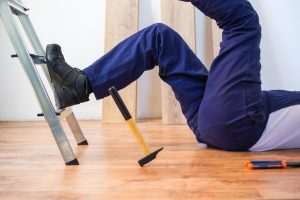
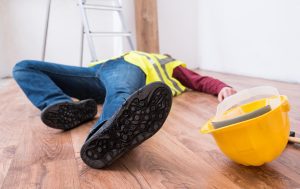
Last Updated 12th February 2026. You can make a slip and fall claim if the injuries you sustained in the accident can be shown to have directly resulted from the negligent actions of a third party, such as an employer or local authority. Slips and falls can profoundly affect physical, psychological, and financial well-being, and compensation may reflect this. Payouts are typically determined by several factors, including the severity of the injury, the impact on daily life, and the broader financial consequences. If you’re exploring your options for compensation, Legal Expert is here to help.
Key Information
Slips and falls are often caused by broken pavements, wet floors, and trailing cables.
These incidents may occur in the workplace or in public places, including supermarkets, parks, restaurants, and pavements.
A fall can lead to various injuries, such as head trauma, spinal damage, fractures, and dislocations.
Slip, trip, and fall compensation may cover such injuries, as well as physiotherapy, private medical treatment, and other related financial costs.
You can get expert support from one of our dedicated No Win No Fee personal injury solicitors throughout your claim for a slip and fall.
Here at Legal Expert, we appreciate that the impact of a slip and fall often endures long after the incident itself. Whether you are navigating a difficult recovery or facing financial uncertainty, you do not have to pursue compensation on your own. If you choose to work with us, your solicitor will be there every step of the way, assisting with gathering evidence and handling all legal paperwork.
Our team is available 24/7, so you can reach us anytime for free, confidential advice when you need it most. Get started today by phone, live chat, or online.
4.8 (466 reviews)
We're No Win No Fee Solicitors Trusted by thousands to win compensation.
Falling down the stairs due to bad lighting, defective steps or hand railings.
This list isn’t exhaustive so if you don’t see your circumstances, don’t worry. Let’s take a look at the criteria for making a slip, trip and fall claim.
Can I Claim Compensation For A Slip, Trip And Fall?
To claim slip, trip or fall compensation, you need to be able to prove that negligence occurred. For the purposes of a personal injury claim, negligence occurs when:
You are owed a duty of care.
This is breached.
As a result, you are injured.
This means that slipping and falling, while unfortunate, isn’t enough to make a claim. First, you need to prove that you were owed a duty of care. This means that someone else was responsible for your health and safety.
While you’re at work, your employer owes you a duty of care under the Health and Safety at Work etc. Act 1974 (HASAWA). Under this legislation, your employer needs to make sure that they take all reasonably practicable steps to keep you safe while working.
This might include taking risk assessments, making sure that walkways are clear of clutter, and making sure that stairwells are adequately lit.
When you’re in public, the person in control of that space owes you a duty of care under the Occupiers’ Liability Act 1957 (OLA). This legislation states that they must ensure that visitors are reasonably safe while on the premises.
This might include things like putting out a wet floor sign after an employee has mopped, or fixing broken paving stones.
We're authorised and regulated by
Meet Our Legal Experts
Patrick Mallon
Head Of Accidents at Work and Public Liability Claims & Senior Solicitor
For slip, trip and fall claims, there is usually a three-year time limit for starting your case, as set by the Limitation Act 1980. This time limit normally starts from the date your accident occurred. However, there are some exceptions to this:
For those who lack the mental capacity to make their own slip, trip or fall compensation claim, the limitation period is suspended indefinitely. However, if they regain the mental capacity required to claim at a later date, then the time limit will start on the day of recovery. If the time limit is suspended, then a litigation friend can make a claim on the injured person’s behalf.
Children under the age of 18 cannot start their own personal injury claim and the time limit for starting a claim will be frozen until their 18th birthday. Once they turn 18, the injured party will have three years to start their own case. Alternatively, a litigation friend could make a claim on the injured child’s behalf before they reach that age.
If you have any questions about the eligibility criteria for fall, slip and trip claims, please get in touch with our advisors today.
4.8 (466 reviews)
We're No Win No Fee Solicitors Trusted by thousands to win compensation.
There are various locations in which you could suffer an injury in a slip and fall. Different parties will owe you a duty of care depending on whether the accident happened. These include:
Your employer, even if you are carrying out work-related duties off-site.
The local authority. They may be responsible for pavements and premises as well as public parks.
A shopping centre.
Businesses.
Public transport, such as bus or train operators.
Train and bus stations.
Taxi rank operators.
Leisure centres, gyms and swimming pools.
Supermarkets.
Apartment blocks, you could suffer a trip and fall in the walkways, lifts or stairs.
Slips, Trips And Falls At Work
One place where slips, trips and falls happen is in workplaces. They can happen in all types of environments, from construction sites and factories to offices.
Examples of some hazards that could cause injuries at work include:
As mentioned above, all employers have a duty of care to keep their workplace free from the risk of harm, so far as it’s reasonably possible for them to do so.
Conducting the likes of risk assessments, regular inspections and training people on fall prevention are all key.
If, however, steps like these aren’t taken, and you suffer an injury in a slip, trip and fall at work, you could claim compensation.
Remember, a claim wouldn’t be made against your employer, but against their insurance company. And legally, they can’t take any action against you for making a claim.
So if you’ve been injured, you could get the legal help and support you need today. You can call us for free on the number at the top of this page to learn all about slip, trip and fall claims involving workplaces.
Slip, Trip And Fall Accidents In Public Places
When we visit public spaces like shops, supermarkets and parks, we’re protected by legislation like the Occupiers’ Liability Act 1957. Laws like this impose a duty on those in control of the public space to keep it free of the risk of harm, so far as it’s possible for them to do so.
There are different risks and hazards in different settings that could cause a slip, trip and fall accident. In the sections below, we explore them in more detail.
Shops, Supermarkets And Restaurants
When we visit shops, supermarkets and restaurants, we expect a certain level of safety, such that when we leave, we don’t end up worse off.
Some shops can be quite small and cluttered, with a narrow walkway. If you trip and fall because of an obstruction or a tripping hazard that shouldn’t be there, you could claim compensation if you hurt yourself. Examples include boxes, extension lead wires, upturned carpet or rugs or damaged floor tiles.
In supermarkets, slip and fall hazards can be similar, but the causes can include the likes of dropped food, like eggs, to dropped drinks like milk, or worse still, cooking oil. Supermarkets should promptly clear up spillages once they’re aware of them. If the spill can’t be cleaned up right away, the hazard should be marked with a ‘wet floor’ sign.
Restaurants also carry the same types of tripping hazards, with dropped food and the likes of upturned rugs and carpet all potentially causing accidents.
Streets And Roads
The local council is responsible for maintaining the highways, roads and streets in your local area.
Should a defect like a pothole develop, the council should take action to repair it once reported. They also conduct annual inspections of roads to detect any defects like this, as well as any broken paving stones or raised kerbs.
Some parts of roads and pavements are the responsibility of other organisations, however. For example, some grids and drains are maintained by water companies or energy companies. Defects can also arise with these, potentially causing an accident and injury.
If you’ve been injured in a trip and fall accident on the street, get in touch for more guidance on your legal options or to make a claim.
Slips, Trips and Falls On Private Property
As well as claiming compensation for a slip, trip, and fall in a public place or work environment, you can also claim compensation for an injury sustained on private property.
Private property can include:
A friend’s home
A private event
A privately owned business
Whoever is in control of the property, whether a homeowner, landlord or business owner, owes lawful visitors a duty of care.
This includes addressing hazards such as wet floors, uneven surfaces, loose carpeting, poor lighting, or obstructions that could pose a risk of injury.
Importantly, this duty applies not only to the interior of a building but also to external areas such as driveways, garden paths, staircases, and private car parks.
To establish a successful claim for a slip, trip, or fall on private property, a claimant must typically show that:
A hazard existed that posed a foreseeable risk
The occupier failed to take reasonable steps to prevent the accident (e.g. warning signs, maintenance, timely repairs)
The accident directly caused the injury sustained.
Slips, Trips And Falls In Rented Properties
If you rent your home either privately or from a council or housing association, chances are your landlord is responsible for keeping your house in good repair.
This means that they need to fix any potential hazards by law, such as those that could cause a slip, trip and fall.
If you’ve suffered an injury after a fall and believe it was caused by your landlord’s negligence, get in touch.
Average Compensation Payouts In Slip, Trip And Fall Claims
There is no average compensation payout for slip, trip and fall claims. This is because all claims have unique circumstances and no two claims are ever the same. However, it may be beneficial to learn how trip and fall compensation is calculated instead.
Trip and fall compensation can potentially be divided into two parts: general and special damages. General damages are awarded in all successful slip, trip and fall claims, whereas special damages are only awarded in some.
General damages compensate you for how your slip and fall injury has physically and psychologically affected you. As such, some factors that need to be looked at include:
Loss of amenity.
Pain severity.
What the prognosis is like.
Legal professionals may ask you to attend an independent medical assessment during the claims process. They can use the reports from this, along with the Judicial College Guidelines (JCG), to help them calculate your general damages.
The JCG is a document with guideline compensation brackets for different physical and psychological injuries.
Guideline Compensation Table
In the table below, we have taken some injuries from the JCG, with their guideline compensation brackets. However, this table should only be used as a guide, and the top figure is not from the JCG.
Injury
Guideline Compensation
Multiple severe injuries + special damages
Up to £1,000,000+
Very severe brain damage (a)
£344,150 to £493,000
Moderately severe brain damages (b)
£267,340 to £344,150
Severe back injuries (iii)
£47,320 to £85,100
Moderate back injuries (ii)
£15,260 to £33,880
Moderate injuries to the pelvis and hips (i)
£32,450 to £47,810
Moderate neck injuries (i)
£30,500 to £46,970
Simple fractures of the forearm
£8,060 to £23,430
Less serious leg injuries (c) (ii)
£11,120 to £17,180
If you’d like to further examine potential payouts, we recommend using our compensation calculator.
Special Damages
Special damages compensate you for how your slip and fall injury has financially affected you. For example, after slip and fall accidents, you could incur financial losses such as:
Loss of earnings.
Prescriptions.
Home adjustments.
Mobility aids, like crutches or a wheelchair.
Childcare.
Professional nursing care.
Keeping evidence of your financial losses is crucial in order to potentially be awarded special damages. So, please keep any receipts, bank statements, invoices, and payslips you have that you can provide as evidence.
Contact us to learn more about how successful slip, trip and fall claims are calculated.
Case Study: £18,500 After A Fall At Work
Mr Jeffers, a 49-year-old warehouse worker from Birmingham, suffered a serious fall at work after slipping on oil that had leaked from a forklift truck. The area had not been cleaned or signposted, and no preventative measures were in place. Mr Jeffers fractured his wrist and sustained a shoulder injury, leaving him unable to work for several months.
Mr Jeffers sought legal advice. He was able to get evidence, including CCTV footage and medical records, and his colleagues offered to provide witness statements after they had previously raised safety concerns.
Mr Jeffers secured a settlement of £18,500, covering pain and suffering, loss of earnings, and physiotherapy costs.
Names and details have been altered to protect confidentiality.
What Is The Slip And Fall Claims Process?
The slip and fall claims process involves several practical steps to support your health, establish the circumstances of the incident, and strengthen the legal standing of your case. We’ve broken down the main steps to follow below:
Get The Necessary Medical Treatment
Slips and falls can result in serious and life-changing injuries, particularly to the head and spine. Even if symptoms are not immediate, being checked over at a hospital or GP surgery can help ensure underlying issues are identified and properly treated.
Taking this step not only supports long-term healing but also creates an official record of the injuries you sustained in your fall. This can then be used as medical evidence if you decide to make a personal injury claim.
Gather Evidence
Gathering evidence as soon as it is safe to do so after a slip or trip can ensure that key details are not forgotten and that available documentation is as complete as possible. Depending on where your fall occurred, you can use the following evidence to support your claim.
Photographs of where the slip or trip happened. For potholes and pavement defects, you can use a ruler to illustrate depth and height.
Witness contact details, which may be provided to a solicitor to obtain supportive testimony.
A copy of the accident book log.
Report Your Slip, Trip, Or Fall
You can report your accident either to your employer or to the place where it occurred, such as a supermarket or hotel. The incident can then be logged in an accident book, which will detail the circumstances of the slip and fall and when it happened. Having an official record of your fall can be vital evidence if you later pursue a claim.
Keep A Diary
Slips and falls can have lasting effects on those who experience them, and you can chronicle this impact in a diary. This doesn’t require long paragraphs, as even short entries can track:
Your pain levels and day-to-day symptoms, including mobility issues.
How daily life and mental wellbeing have been affected since the fall.
Travel to medical appointments, physiotherapy sessions, and other out-of-pocket expenses.
Get Legal Advice
After a slip, trip, or fall, you may be wondering what your options are for claiming compensation. Getting legal advice can quickly establish whether you have a case and help you understand the steps involved in making a claim.
Here at Legal Expert, our dedicated solicitors provide hands-on support through the claims process, all on a No Win No Fee basis. They do so with a firm commitment to minimise the strain on clients and make navigating a claim a much smoother experience.
File Within The Legal Time Limit
Generally, you need to start the claims process within 3 years of the slip and fall incident. However, as discussed earlier in this guide, exceptions may apply under certain circumstances.
If you’d like further guidance on these steps, our advisors are ready to help. They can also provide you with a free consultation to see if you can pursue slip, trip, and fall compensation.
Make A Claim With Legal Expert’s No Win No Fee Solicitors
Our solicitors represent slip, trip, and fall claims on the basis of No Win No Fee. This is a common type of agreement that allows people to proceed without having to pay exorbitant upfront solicitors’ fees.
A Conditional Fee Agreement (CFA) works on this basis. By signing a CFA, you confirm that you do not need to pay for your solicitor’s work:
Before your personal injury claim begins
While the case is underway
If you do not receive compensation for a slip or trip claim
However, you will need to pay a success fee if you are given compensation. This is a legally capped percentage of the compensation that you pay to your solicitor. The cap means that you will take home the largest share of the total.
In addition, our solicitors have years of legal training and experience. They offer excellent services, such as:
Assisting with the collection of evidence- They can identify what evidence is required for your case and help you to access it
Outlining key legal concepts in simple terms to help with your understanding
Handling communication with the defendant to facilitate negotiation in a professional manner
You can call our team of advisors today to further discuss how our solicitors can help with slip and fall claims.There is no obligation to work with Legal Expert after enquiring, so reach out today if you have any general questions.
Start your claim online by filling in our contact us form.
Or speak with us now via our live chat box
Frequently Asked Questions
Our advisors provide clear answers to all manner of queries, and you can find some of the most frequently asked questions about making fall injury claims below.
How Long Do Slip, Trip, And Fall Claims Take?
Generally, the time it takes for slip, trip, and fall claims to settle depends on various factors, including a defendant’s willingness to admit liability for the injury or to agree to a compensation amount.
When Is A Slip, Trip Or Fall Considered Negligence?
A slip, trip, or fall is considered negligence when an injury is directly caused by the failure of an employer, business, or other third party to adhere to health and safety regulations.
Can I Claim If There Were No Warning Signs?
Yes, if there were no warning signs for known hazards (such as a wet floor) posted by the responsible third party, you can claim for any injury you sustained from slipping, tripping, or falling as a result.
Can I Claim Against A Council For A Pavement Fall?
Yes, you can claim against a council for a pavement fall if you can prove that their negligent actions or inactions led to your injuries, such as a failure to address a serious known defect within a reasonable timeframe.
Can I Claim For A Fall In A Car Park?
Yes, you can claim for a fall in a car park, as the party in control would be liable for any injuries resulting from their failure to ensure your reasonable safety while visiting.
Can I Claim For A Head Injury Caused By A Fall?
Yes, you can claim for a head injury caused by a fall, and any compensation awarded may reflect the extent and impact of the trauma you suffered.
Can I Claim For Future Medical Treatment Or Care Costs?
Yes, you can claim for future medical treatment or care costs, including occupational therapy to help manage the impact of spinal damage or corrective surgery to address a serious shoulder injury.
Should I Report A Slip Or Trip Accident?
You should report a slip or trip accident, either to your workplace or to whoever is in control of the location where you were injured. This not only documents what happened, but also provides useful evidence if you later make a claim.
Can You Claim Compensation For Slipping Without Witnesses?
You can claim compensation for slipping without witnesses to the accident, but you will still need to prove that third-party negligence occurred through CCTV footage, an incident book entry, or other evidence.
If you have any other questions about slip, trip and fall claims, please don’t hesitate to reach out.
 Skip to content