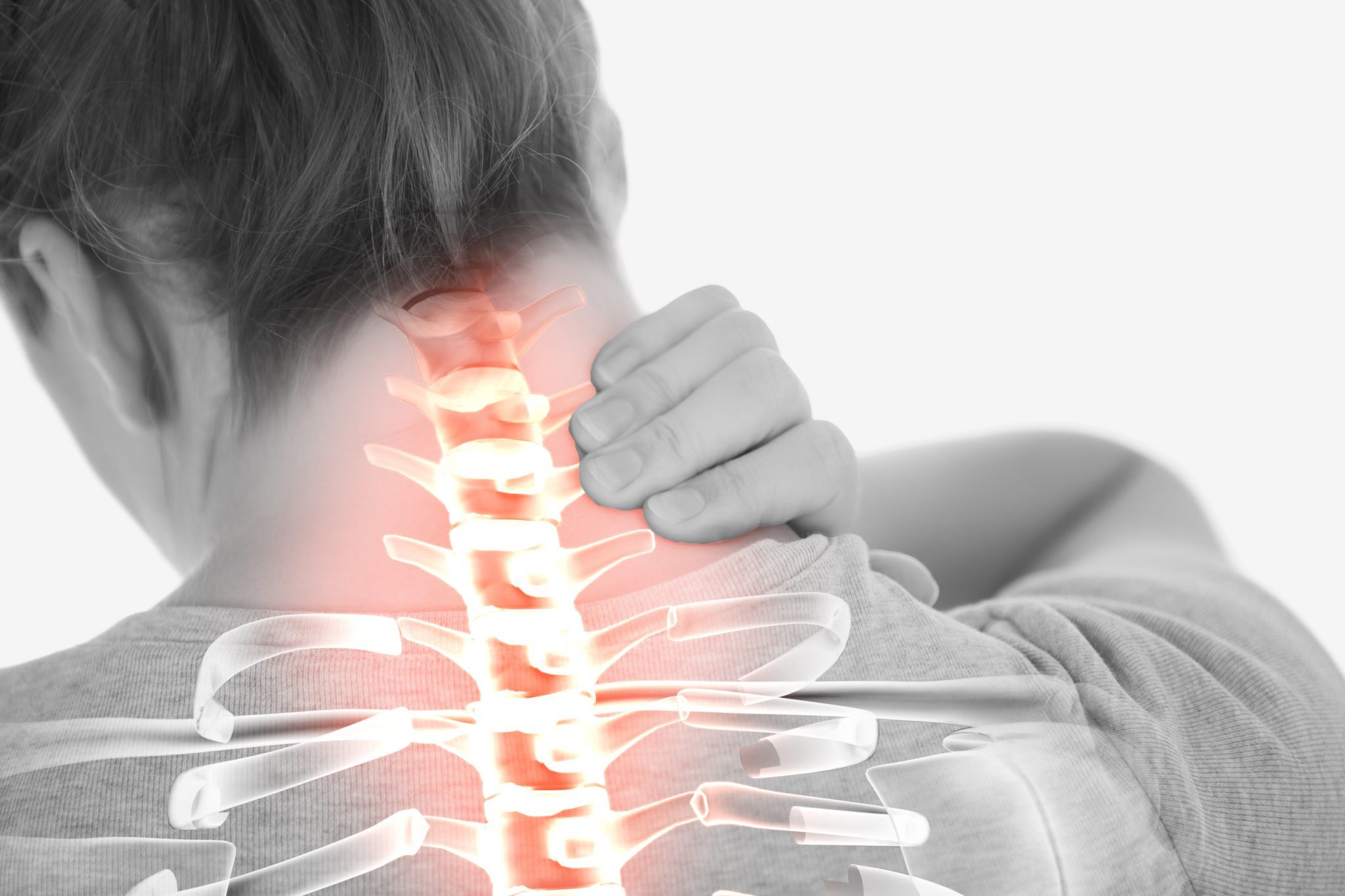
Last updated 17th November 2025. Muscle injuries can seriously affect a person’s ability to move and complete tasks as they usually would. You may find that you are unable to work, which can make recovery more difficult as you worry about coping financially. If the injury has been caused by another party’s failure to enact health and safety laws, you could be eligible to receive muscle injury compensation. No one should have to undergo the mental and physical stress of an injury that should have been avoided.
Why not reach out to an advisor and find out whether you can claim personal injury compensation? Speaking directly with a member of our enquiries team means that you can get direct answers to any questions you have and could even be connected to one of our expert solicitors. With free advice and the potential for No Win No Fee legal representation, there are really no downsides to contacting us.
Frequently Asked Questions
What situations can give rise to muscle injury claims? Common types of accidents include those that occur while playing sports, at work, on the road, or in a public setting.
What are examples of muscle injuries? Hamstring strain, Achilles rupture and rotator cuff tears are common muscle injuries.
How long do I have to seek damaged muscle compensation? Most claimants will need to begin a personal injury claim within 3 years of the incident.
Can I recover the cost of physiotherapy? Yes, your medical and rehabilitation costs can be added to the claim with the provision of evidence.
How can I treat a sprain or strain? You should avoid putting weight on the injured body part, limit your movement, use ice to reduce swelling, and elevate the limb.
Contact an advisor to learn more about the muscle injury claim process.
4.8 (466 reviews)
We're No Win No Fee Solicitors Trusted by thousands to win compensation.
Yes, you could make a claim for muscle injury compensation provided that you meet the personal injury eligibility requirements. The following criteria, otherwise known as the principle of negligence, must be satisfied:
You were owed a duty of care
A third party has breached this duty of care
You suffered from an avoidable muscle injury as a result of breach
That you begin your claim within the 3-year time limit, usually starting from the date of the accident
Therefore, if you’ve suffered a muscle injury as a result of a third party’s breach of duty of care, you could make a personal injury claim.
4.8 (466 reviews)
We're No Win No Fee Solicitors Trusted by thousands to win compensation.
What Types Of Muscle Injury Claims Can We Help With?
Muscle injuries happen in a wide range of situations, and the cause of the accident often determines how your muscle injury compensation claim is handled.
Sports injuries – Tears, strains or impact-related muscle injuries during organised sport may lead to a claim if poor supervision, unsafe conditions or defective equipment caused the incident.
Occupational over-use injuries – Repetitive movements, poor ergonomics or excessive workload can lead to chronic muscle problems. Employers must provide safe working systems, training and risk assessments.
Lifting injuries at work – Sudden muscle tears are common when lifting heavy or awkward loads. If proper manual handling training or lifting aids were not provided, you may be able to claim.
Public slip or trip accidents – A fall in a supermarket, car park or other public area can cause acute muscle injury. Property owners must maintain safe conditions and repair hazards promptly.
Road traffic accidents – Car crashes frequently cause soft-tissue and muscle injuries. Some RTA claims may fall under the OIC portal, but more serious muscle injuries may be valued outside the fixed tariff system.
Let’s take a more detailed look at some of the most common causes of muscle injuries.
Muscle Injury At Work
If you suffered a muscle injury at work, you could be eligible to make a claim if your employer breached their duty of care, resulting in your injuries.
In essence, all employers have a duty of care to ensure the safety of their employees in the workplace. This duty is outlined by the Health and Safety at Work etc Act 1974. Examples of employers adhering to their duty of care may include conducting safety training and providing staff with personal protective equipment.
For instance, you may have suffered a muscle lifting injury at work due to handling heavy equipment without any training. As a result, you could bring an accident at work claim against your employer for the muscle injuries you sustained.
Muscle Injury In A Public Place
If you’ve experienced a muscle injury in a public place that could’ve been avoided, you could be eligible to make a public liability claim.
All occupiers of public spaces have a legal duty to ensure the reasonable safety of any visitors to their premises. This duty is set out by the Occupiers’ Liability Act 1957. To illustrate, occupiers should reduce the risks of dangers by erecting safety barriers and locking doors that shouldn’t be used.
Therefore, you may have fell down a set of stairs at a library due to a leaking roof that hasn’t been fixed. Consequently, you could bring a public liability claim against the occupier for the injuries you suffered.
Muscle Injury In A Road Traffic Accident
If you’ve sustained a muscle injury in a road traffic accident that wasn’t your fault, you could be eligible to make a road traffic accident claim.
Ultimately, all road users owe each other a duty of care to navigate the roads safely and to avoid causing harm to others. Moreover, all road users should adhere to the Highway Code and the Road Traffic Act 1988 under their duty of care. For example, road users should adhere to speed limits and comply with road signs as part of their legal duty.
You could therefore make a road traffic accident claim if a third party driver was negligent, resulting in your injuries. For instance, you may have been involved in a rear shunt accident after a third party driver failed to break in time, resulting in your muscle injuries.
4.8 (466 reviews)
We're No Win No Fee Solicitors Trusted by thousands to win compensation.
For instance, you may have been non-provokingly attacked by a third party in a bar and suffered Actual Bodily Harm (ABH) and muscle injuries as a result. You may have also suffered with PTSD due to the violence that was inflicted on you.
You could therefore make a criminal injury claim with CICA for the assault you experienced. Notwithstanding, you may be able to make a claim against the bar for failing to ensure your safety on their premises under the Occupiers’ Liability Act 1957 instead.
If you choose to make a CICA claim, it’s essential that you co-operate with the police in identifying the attacker. Moreover, if you make your claim through CICA, please note that there are tariffs that will dictate your compensation pay-out, rather than the Judicial College Guidelines.
To learn more about how you could claim for criminal injury compensation, please contact one of our friendly advisors today.
How Much Muscle Injury Compensation Can I Get?
In successful injury claims, you could receive general damages as part of your muscle injury compensation. In essence, general damages aim to compensate for with any pain and suffering you experienced as a result of the accident.
Commonly, the Judicial College Guidelines (JCG) are used by lawyers and other legal professionals when assigning values to different types of injuries.
All entries in the table below, aside from the first entry, have been taken from the JCG for common muscle injuries. Please take note that they are merely guidelines and therefore don’t provide a guarantee of how much compensation you will receive.
Injury
Compensation Guideline
Multiple severe injuries and special damages such as loss of earnings and medical expenses
Up to £500,000
Severe Back Injuries (ii)
£90,510 to £107,910
Moderate Back Injuries (i)
£33,880 to £47,320
Severe Neck Injuries (ii)
£80,240 to £159,770
Moderate Neck Injuries (ii)
£16,770 to £30,500
Severe Shoulder Injuries
£23,430 to £58,610
Serious Shoulder Injuries
£15,580 to £23,430
Serious Leg Soft Tissue Injuries
£21,920 to £33,880
Whiplash injuries with psychological harm
£4,345
Whiplash injuries
£4,215
Do you want to find out how much you could receive for your unique situation? Please contact one of our friendly advisors today.
4.8 (466 reviews)
We're No Win No Fee Solicitors Trusted by thousands to win compensation.
How Is Compensation For Muscle Injury Claims Calculated?
Following a successful claim, you could receive both general and special damages as part of your settlement. Unlike general damages, the award of special damages will recompense you for any financial losses you experienced as a result of your injuries. For instance, you could have paid out-of-pocket expenses for long-term physiotherapy sessions and resulting travel expenses.
Please see the following examples of special damages that you could include in your claim:
It’s also essential that you support any special damages with evidence to include them in your claim. Evidence could be provided in the following forms:
Receipts
Bank statements
Invoices
Payslips
To find out what special damages you could claim for, please contact a member of our team today.
Claiming Compensation For Long-Term and Chronic Muscle Injury Impact
Some muscle injuries heal quickly, but others become long-term or chronic, which can significantly increase the level of muscle injury compensation you may be entitled to. Chronic muscle damage can lead to reduced mobility, persistent pain, recurring flare-ups, limited ability to work and a lasting effect on everyday activities.
In more serious injury cases, a long-term muscle injury may require ongoing physiotherapy, specialist treatment, time off work or even a permanent change of job role. These extended consequences form part of the overall compensation calculation, alongside loss of earnings, care needs, future treatment costs and the wider impact on quality of life.
For chronic or severe muscle injuries, compensation is usually assessed under the Judicial College Guidelines rather than the fixed whiplash tariff. Accurate medical evidence, expert prognosis and records of daily limitations can all strengthen the value of a long-term muscle injury compensation claim.
Updates To Claims Processes And Tariff Changes for Muscle Injury Compensation
When seeking muscle injury compensation after a road traffic accident (RTA), the process may follow the newer rules.
This applies to soft-tissue injuries, including many muscle injuries, where the personal injury element is valued at £5,000 or less and the total claim is worth no more than £10,000. Claims that fall within these limits must usually be started through the OIC portal, and the value of certain soft-tissue injuries is set by a fixed tariff.
If your muscle injury compensation claim arises from a workplace accident, public place incident, sports setting or any non-RTA environment, the new portal does not apply. These claims follow the traditional personal injury process and are valued using the Judicial College Guidelines instead of fixed whiplash tariffs.
This distinction is important. RTA muscle injuries may be subject to tariffs and online-only procedures, while work accidents, slips or trips and other non-motor incidents allow for fuller assessment of injury severity, financial losses and long-term impact.
What Evidence Do I Need To Prove My Muscle Injury Claim?
To make a claim for muscle injury compensation, it’s essential that you provide evidence to support the injuries suffered. For instance, evidence could be provided in the following forms:
Contact details of anyone who witnessed the accident or negligent treatment who could later support your version of events
A copy of an accident report form
X-rays, scans and test results
Your medical records that details the injuries
As per the Limitation Act 1980, you will typically have up to 3 years to make your personal injury claim. Moreover, the time limit runs from the date of accident, apart from in the following scenarios:
If the claimant is a child, they cannot claim by themselves. Instead, they will need to wait until their 18th birthday. From this date they will have until their 21st birthday to make a claim.
If the claimant is lacking in mental capacity, the time limit will be suspended indefinitely. If the claimant regains their capacity, the 3 year time limit will begin.
Furthermore, you could claim on behalf of a loved one in the above scenarios by assuming the role of a litigation friend. In essence, litigation friends could be parents, guardians and even solicitors who help prioritise a claimant’s best interests. To find more about how you could make a claim on behalf of a loved one, please contact one of our friendly advisors today.
Types of Muscle Injuries You Can Claim For
Notably, a ‘muscle injury’ is a broad term that covers many different types of damage and harm to muscles all over the body. For instance, muscle injuries could include:
Strains and soreness of muscles due to stretching a muscle beyond its capacity.
Tears or ruptures
Muscle contusion or haematomas
Rhabdomyolysis
A musculoligamentous injury
To find out if you could receive muscle injury compensation, please contact our team today.
What Are The Symptoms Of An Injured Muscle?
Muscle injuries may present many different types of symptoms, which may include the following:
Pain or tenderness of the muscle
Bruising
Redness
Swelling
Muscle spasms
Muscle cramping
Difficulty moving the muscle
For more information on how to claim muscle injury compensation for your accident, please contact one of out helpful advisors today.
How Legal Expert Can Help You
Our experienced advisors are available around the clock to answer any questions you may have about muscle injury claims. Moreover, if you’re connected with one of our specialist solicitors, you could enjoy the following benefits:
A free eligibility assessment
Help with evidence-gathering such as witness statements and medical records
Communications with the defendant’s solicitor and keeping you informed throughout
Regular claim updates
Assurance that all legal deadlines are met
Explanations of key legal terminologies
Negotiations with the defendant in attempt to achieve a settlement
Help with arranging an independent medical report to determine the extent of your injuries
Support with any ongoing injuries with rehabilitation
To discuss the full benefits of making a claim with Legal Expert, please contact our friendly advisors today.
4.8 (466 reviews)
We're No Win No Fee Solicitors Trusted by thousands to win compensation.
Yes, you could make a No Win No Fee muscle injury claim following a free case check from our advisors. If they deem that you have a strong claim, you will be connected with one of our solicitors to start your claim for muscle injury compensation. By using a Conditional Fee Agreement (CFA), you could experience the following advantages:
You won’t be required to pay any solicitor service fees if your claim is unsuccessful.
You won’t be required to pay for any upfront or ongoing fees for your solicitor’s work
If your claim is successful, you will only be required to pay a small success fee for your solicitor’s work. Please be advised that the success fee will be deducted from your compensation, and the percentage amount is capped by law. Consequently, you will always receive the bulk of your compensation.
Please contact one of our friendly advisors to start your claim for muscle injury compensation today.
Contact Our Solicitors
To ask any questions about making a claim, please get in touch with our helpful team today. Contact us by:
4.8 (466 reviews)
We're No Win No Fee Solicitors Trusted by thousands to win compensation.
 Skip to content