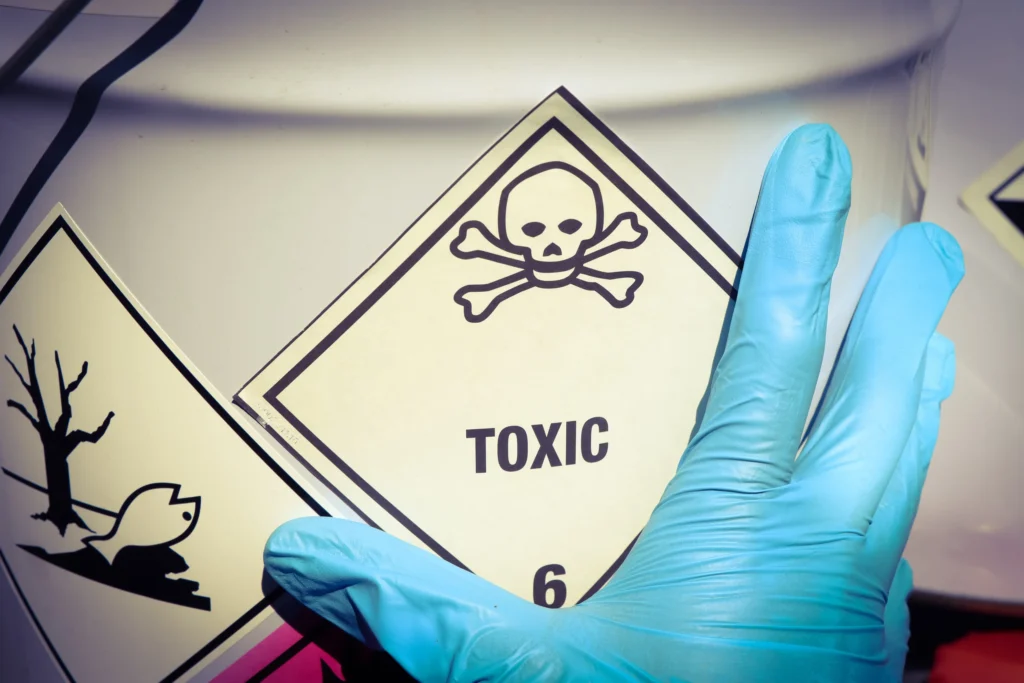
You may be entitled to make a chemical poisoning compensation claim if you became ill or suffered injury because of exposure to toxic chemicals, hazardous substances, or dangerous fumes. Chemical poisoning claims can arise after workplace exposure, industrial accidents, environmental contamination, unsafe products, or failures to follow health and safety regulations. Symptoms may range from short-term illness and chemical burns to long-term respiratory problems, neurological damage, or chronic health conditions. Compensation can help cover pain and suffering, medical treatment, lost earnings, rehabilitation, and other financial losses linked to the exposure.
Chemical exposure can be frightening, particularly when symptoms develop suddenly or continue long after the original incident. Some people become seriously unwell after a single exposure to toxic fumes or hazardous substances, while others only realise the extent of the harm months or years later after repeated contact with dangerous chemicals at work.
Many chemical poisoning cases are preventable. Employers, manufacturers, landlords, and other responsible parties have legal duties to store, handle, label, and manage hazardous substances safely. When those duties are ignored, the consequences can be life-changing.
Chemical poisoning can affect almost every part of daily life. Victims may experience breathing difficulties, neurological symptoms, skin damage, chronic pain, fatigue, or long-term illness that affects work, independence, and overall quality of life.
At Legal Expert, we understand how overwhelming these situations can be. We offer free case consultations and advice on your options, which you can take advantage of by tapping below.
4.8 (466 reviews)
We're No Win No Fee Solicitors Trusted by thousands to win compensation.
To learn more about what chemical poisoning is, what causes compensation claims, how liability is established, and what support may be available if negligent exposure caused you harm, please keep scrolling.
What Is Chemical Poisoning?
Chemical poisoning occurs when harmful substances enter the body and cause illness or another type of chemical injury.
Exposure can happen through:
Inhalation of fumes or gases
Skin contact with hazardous substances
Ingestion of toxic materials
Repeated long-term exposure in unsafe environments
The severity of poisoning will often depend on:
The type of chemical involved
The amount of exposure
How long exposure lasted
Whether protective measures were in place
Some people suffer immediate symptoms after exposure, while others develop illnesses gradually over time.
Chemical poisoning may involve:
Short-term acute illness
Long-term industrial disease
Permanent organ damage
Respiratory conditions
Neurological injury
In serious cases, exposure to toxic substances can become life-threatening.
Different chemicals can affect the body in different ways. Some mainly damage the lungs or skin, while others may affect the brain, nervous system, liver, kidneys, or other organs.
What Symptoms Can Chemical Poisoning Cause?
Chemical poisoning symptoms vary significantly depending on the substance involved and the level of exposure.
Workers in these industries should receive appropriate training, protective equipment, and safe systems of work to reduce exposure risks.
Can You Claim Compensation For Chemical Poisoning?
You may be able to claim compensation if it can be shown that another party’s negligence caused or contributed to your chemical exposure.
This generally involves proving:
A duty of care existed
That duty was breached
The breach caused your illness or injury
Claims may involve:
Employers
Manufacturers
Local authorities
Landlords
Businesses responsible for hazardous substances
Chemical poisoning claims can arise after both sudden accidents and gradual long-term exposure.
If you are unsure whether you may have grounds to claim, Legal Expert can provide a free consultation to explain your rights, assess your circumstances, and advise you on the options available.
What Evidence Helps Support Chemical Poisoning Claims?
Strong evidence can help establish both the exposure itself and the medical impact it caused.
Useful evidence may include:
Medical records
Toxicology reports
Workplace incident reports
Photographs of injuries or hazardous conditions
Witness statements
Health and safety documentation
COSHH records
Environmental testing results
Employment records
In workplace cases, investigations by the Health and Safety Executive may also support a claim where safety failures are identified.
If you can’t access some of these documents, please don’t worry. Our solicitors can obtain them as part of the claims process. The best thing to do is to obtain what you can.
How Much Compensation Could You Receive?
The amount of compensation awarded for chemical poisoning depends on:
The seriousness of the illness
Whether symptoms are permanent
The effect on work and daily life
The cost of ongoing treatment or care
Compensation is generally divided into general damages and special damages, which combine to form your overall payout.
More severe cases involving permanent illness, organ damage, or long-term disability will generally attract higher compensation awards.
Time Limits For Chemical Poisoning Compensation Claims
In most cases, you have three years to begin a chemical poisoning compensation claim. This is usually from the date of the accident.
However, many toxic exposure claims involve illnesses that develop gradually over time. Because of this, the three-year period may sometimes begin from the “date of knowledge”, which is the point at which you first became aware that your illness may be linked to chemical exposure.
Because evidence can become more difficult to gather over time, it is generally advisable to seek legal advice as soon as possible.
No Win No Fee Chemical Poisoning Claims
Many people worry about legal costs when considering compensation, particularly where illness has already affected their finances or ability to work.
To help make pursuing a claim accessible for all, we use No Win No Fee agreements. Under these arrangements:
There are usually no upfront solicitor fees
You generally do not pay solicitor fees if the claim is unsuccessful
A success fee is deducted if the claim succeeds
This allows eligible claimants to pursue compensation without taking on significant upfront legal costs.
Legal Expert can provide a free consultation to explain how No Win No Fee chemical poisoning claims work and whether you may be eligible to proceed.
Reach out to us today to book a free consultation or to get advice on your potential claim.
Below, you can find answers to some common questions on chemical poisoning compensation claims.
Can I claim compensation for chemical poisoning?
Yes, you may be entitled to compensation if negligent exposure to hazardous substances caused illness or injury.
What symptoms can toxic exposure cause?
Symptoms may include breathing problems, headaches, nausea, burns, neurological symptoms, respiratory illness, and long-term organ damage.
Can workplace chemical exposure cause long-term illness?
Yes. Repeated exposure to hazardous substances can sometimes lead to chronic respiratory conditions, neurological damage, or other long-term illnesses.
What evidence is needed for a chemical poisoning claim?
Medical records, toxicology reports, workplace incident records, witness statements, and health and safety documentation may all help support a claim.
Can I claim for toxic fumes at work?
Yes, if exposure to toxic fumes happened because appropriate safety measures were not in place.
 Skip to content